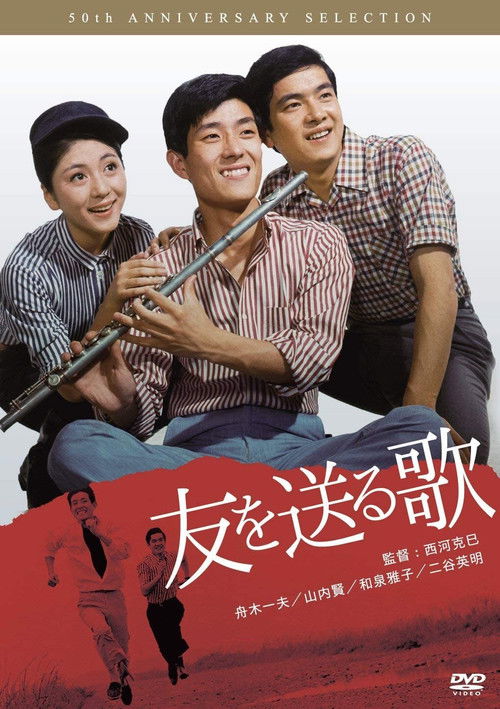
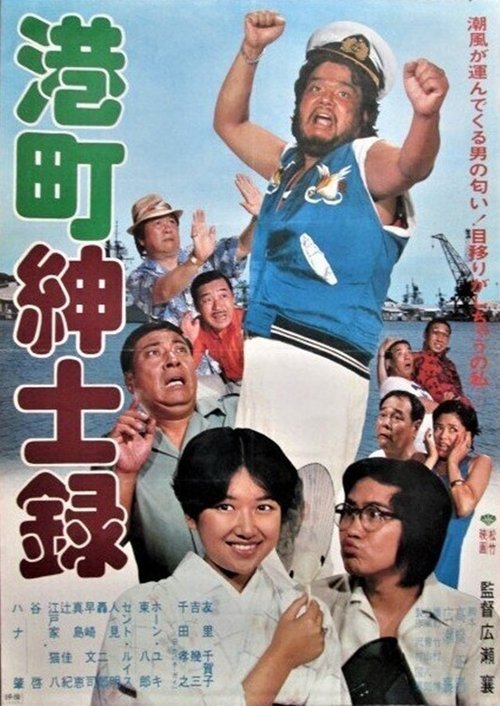
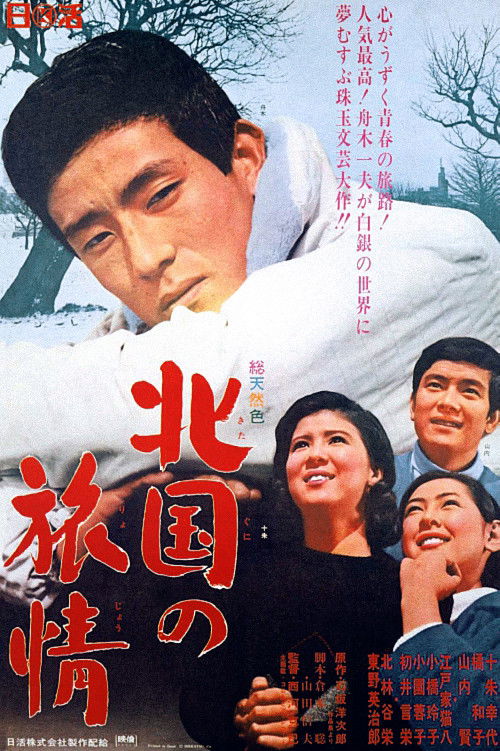
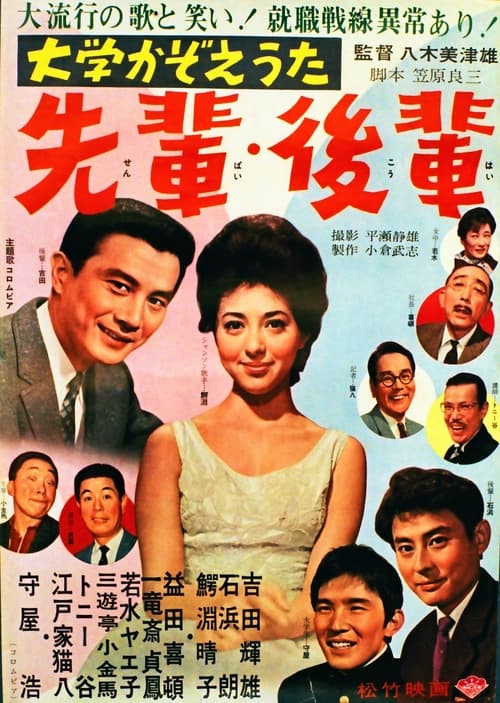
Nekohachi Edoya, affectionately known as "Edo Neko," was a talented impressionist and actor who was affiliated with the Rakugo Geijutsu Kyokai (Rakugo Art Association). He was born on October 1, 1921, and his real name was Roku-ro Okada, a name given due to being the sixth son. His legacy left a lasting impact on the world of entertainment.
During the tragic events of the Hiroshima atomic bombing on August 6, 1945, Nekohachi was just 23 years old and serving in the Japanese Army's Naval Artillery Regiment No. 1 (Dawn 2953 Unit) stationed in Ujina, which is now part of Minami Ward in Hiroshima City. He held the position of Corporal Rokuro Okada. On that fateful morning, he had plans to meet with actress Keiko Sonoi, an acquaintance from the traveling theater group "Sakura-tai," in Hiroshima. Unfortunately, after winning a vocal mimicry competition the previous day, he had indulged in the prize of alcohol, leading to a hangover that caused him to oversleep and miss the meeting. It was shortly after being roused from sleep by a subordinate private that he found himself thrust into the midst of the atomic bombing. (Incidentally, Sonoi was lodging near the hypocenter during the bombing and was exposed to the blast. She later evacuated to Kobe, but she sadly succumbed to atomic bomb-related illnesses on August 21, 1945.)
Nekohachi's regiment was positioned in Ujina, a location over 3 km away from the hypocenter, resulting in less immediate impact from the bombing. He received orders from his superior to assess the extent of the damage near the Okihashi Bridge and communicate with the Fukiyama Naval Artillery Battalion headquarters in Hijiyama-cho. This was his first encounter with the devastating aftermath of the bombing. Subsequently, he was mobilized as part of the Dawn Unit to provide relief and medical assistance within the city. His exposure to residual radiation in the city led to persistent health issues that he grappled with throughout his life, attributed to secondary radiation exposure.
The deeply traumatic nature of Nekohachi's experiences during the bombing and his subsequent involvement in relief efforts and medical work caused him to remain silent about these events for many years. However, in later years, he courageously documented his personal encounter with the bombing in works like "Soldier's Life and Pikadon" (兵隊ぐらしとピカドン) and "The Cat that Crawled out of the Mushroom Cloud" (キノコ雲から這い出した猫). It's noteworthy that Maruyama Masao, a historian and thinker, also experienced the atomic bombing as a member of the Dawn Unit, serving in the headquarters.
3rd Generation Edoya Nekohachi was renowned for his remarkable vocal mimicry abilities and acting prowess. His association with the Rakugo Art Association marked a significant contribution to the entertainment industry. His influence and legacy continue to thrive through his family members who have followed in his footsteps.
(Source: Wikipedia Japan "江戸家猫八 (3代目)”)