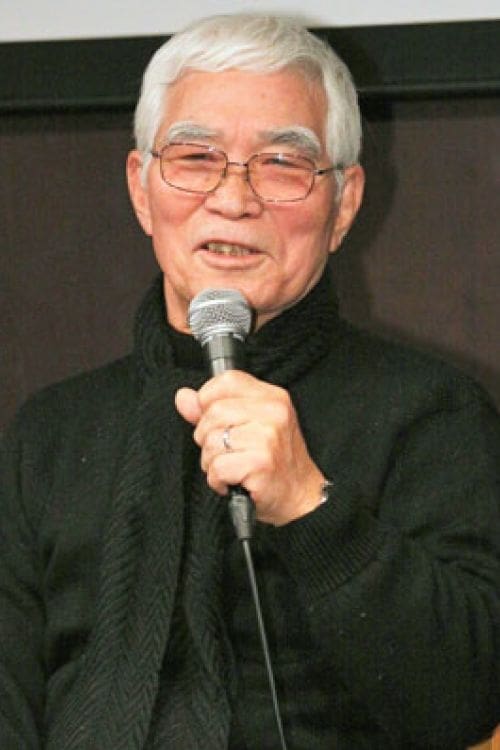
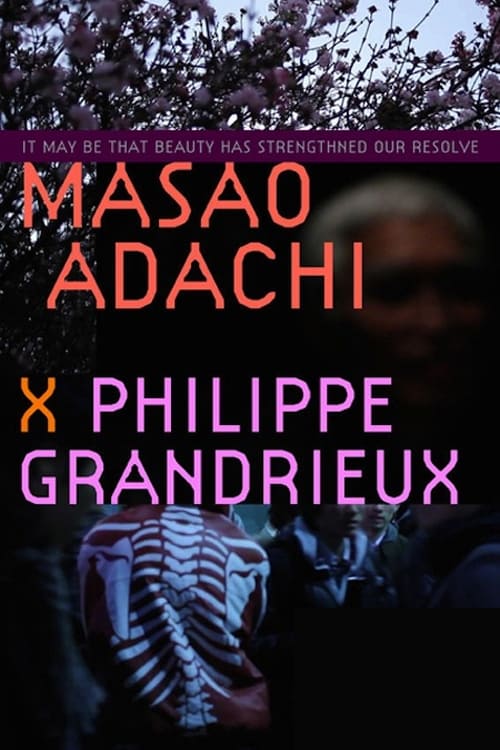
The first in a planned series of films about radical filmmakers by film critic Nicole Brenez and filmmaker Philippe Grandrieux, It May Be That Beauty Has Strengthened Our Resolve is a portrait of Masao Adachi, who emerged during the Japanese New Wave of the 1960s as a screenwriter for Nagisa Oshima and Koji Wakamatsu, and directed a series of avant-garde films that grafted radical politics to the sexploitation genre. A 1971 visit to a Popular Front for the Liberation of Palestine (PFLP) training camp while on the way back from Cannes resulted in Adachi's most infamous film, the agit-prop documentary Red Army/PFLP: Declaration of World War, which he co-directed with Wakamatsu. Soon after, Adachi joined a splinter cell of the Japanese Red Army in Lebanon, where he stayed from 1974 until he was deported to Japan in 1997 to serve time for passport violations.
Rank what matters in It May Be That Beauty Has Strengthened Our Resolve - Masao Adachi (2011) — scenes, quotes, and characters from this title.
Who carries this title?
From this cast
Tap to nominate
Your take
Rate this title
Tap half or full stars · 0.5–10 scale
Be the first CineMood rating
Open communitySign in to save your rating.
None yet
See allNaruhiko Onozawa
Self