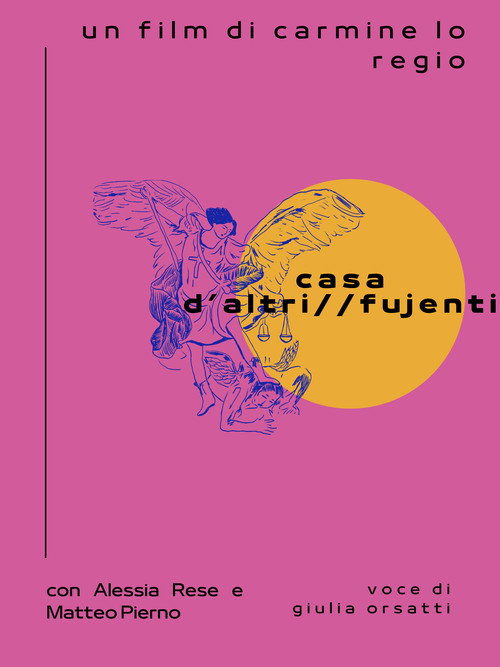
Casa d’altri // Fujenti was conceived as a diptych, two variations on the same religious theme, the paradoxical meaning of prayer and devotion. If, as Sergio Quinzio suggests, prayer is a negative moment marked by God’s constant lack of response, the first part, freely inspired by Silvio D’Arzo’s Casa d’altri, explores this question through a single figure. A wanderer moves among saints, churches and books, posing a scandalous question to theology. The second part shifts the same question from the individual to the multitude. Through archival materials connected to rites, processions and popular pilgrimages, the film observes bodies that pray, walk, wait, and offer fatigue, voice, tears and presence. Following Quinzio’s intuition, the praying figures do not appear as pacified images of devotion, but as needy creatures, beggars before the invisible, bodies asking for the fulfilment of a concrete lack.
Community
Vote on scenes, quotes, and characters for a house not ours//pilgrims (2026).
The moment that still lives in your head.
Starters for a house not ours//pilgrims
Your take
Rate this title
Tap half or full stars · 0.5–10 scale
Be the first Cinemoood rating
Open communitySign in to save your rating.
None yet
See all
Carmine Lo Regio
Director
