Killed 6 People. Ate The Deadbody. Sentenced To Death.
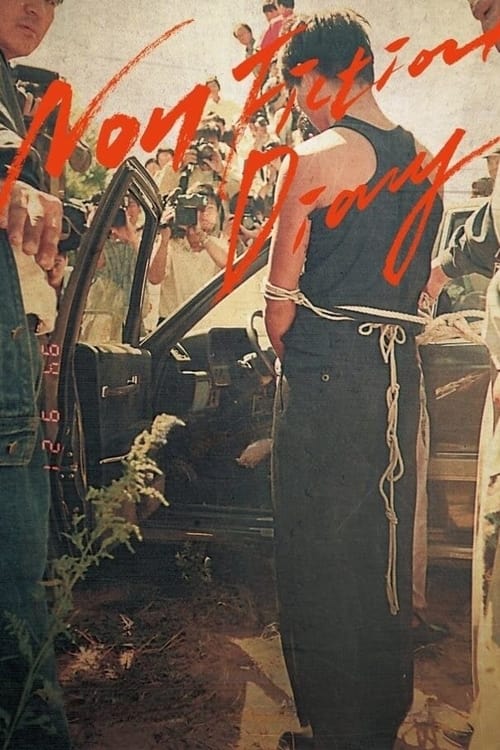
What happened in Korean society in the 1990s? The film starts with the Jijon-pa (Supreme Gangsters) case. The shocking story is narrated through the discussion by the two detectives who arrested the gangsters, of details of the roundup, data screens, and the death sentence. Nevertheless, Nonfiction Diary’s focus is not on the crime story. Starting from Jijon-pa onwards, the film reflects on the 1990s, when Korea digressed into contemporary history. The Seongsu Bridge and the Sampoong Department Store’s collapses are recalled, followed by the then-government’s punishment of the May 18 Uprising leaders, revealing the Korean legal system’s death penalty status, touching on political and power issues. The audience is reminded that today, 2013, is an extension of that same flow.
Community
Vote on scenes, quotes, and characters for Non Fiction Diary (2014).
The moment that still lives in your head.
Starters for Non Fiction Diary
Your take
Rate this title
Tap half or full stars · 0.5–10 scale
Be the first Cinemoood rating
Open communitySign in to save your rating.
None yet
See all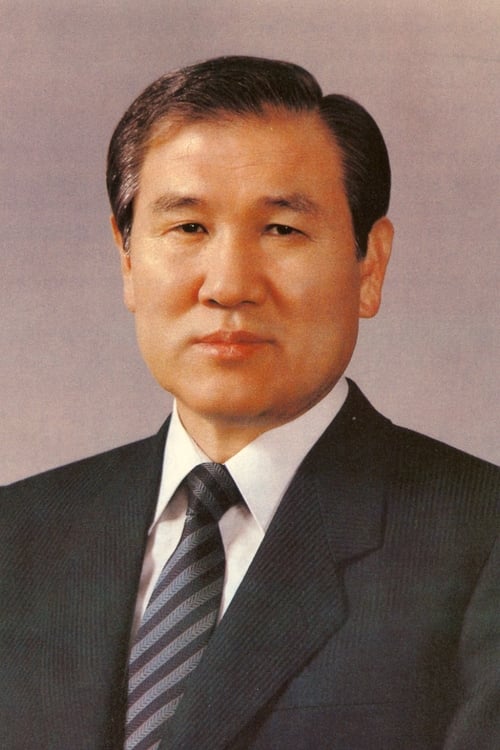
Roh Tae-woo
Self (archive footage)
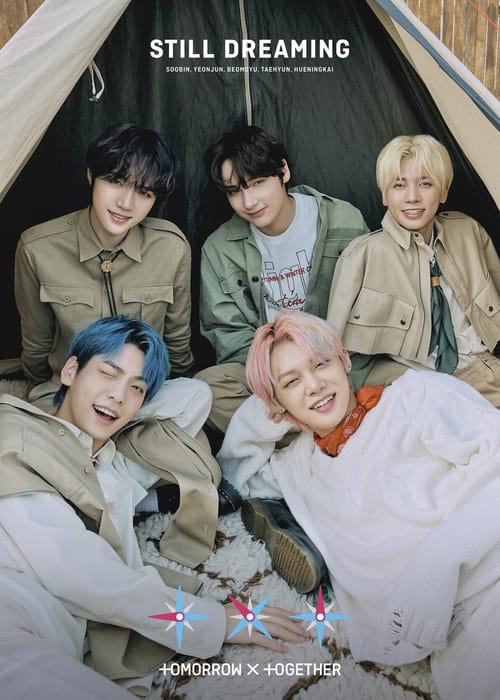
TXT (TOMORROW X TOGETHER) STILL DREAMING
2021 · 10.0
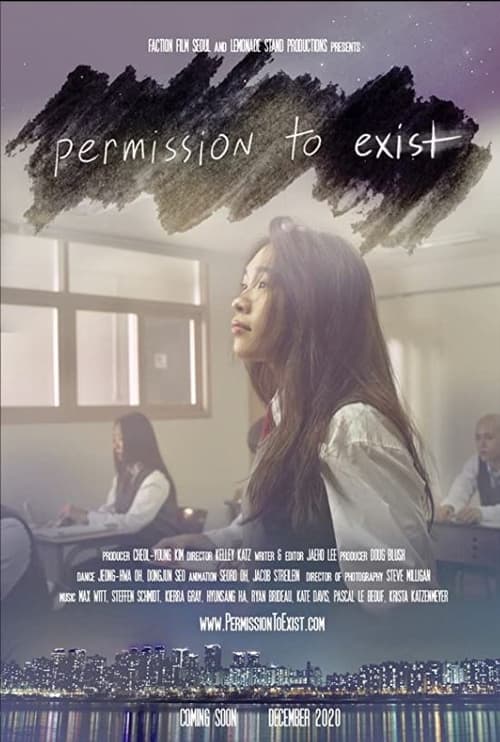
Permission to Exist
2020

Our Aotearoa
2022
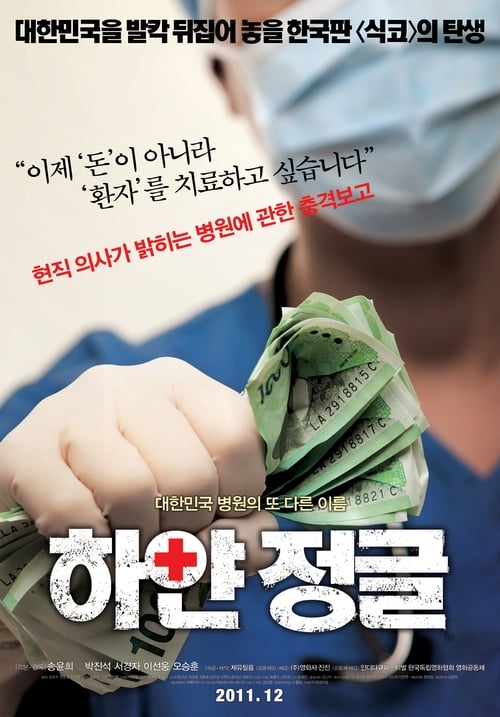
White Jungle
2011 · 6.0
Becoming Kim
2026
Mis-President
2017 · 4.5
The Truth Shall Not Sink with Sewol
2014 · 7.6
Shadow Flowers
2021

CNA Insider: Is Seoul To Blame For South Korea's Population Crisis?
2024
The Non-Biological Mexican
2026