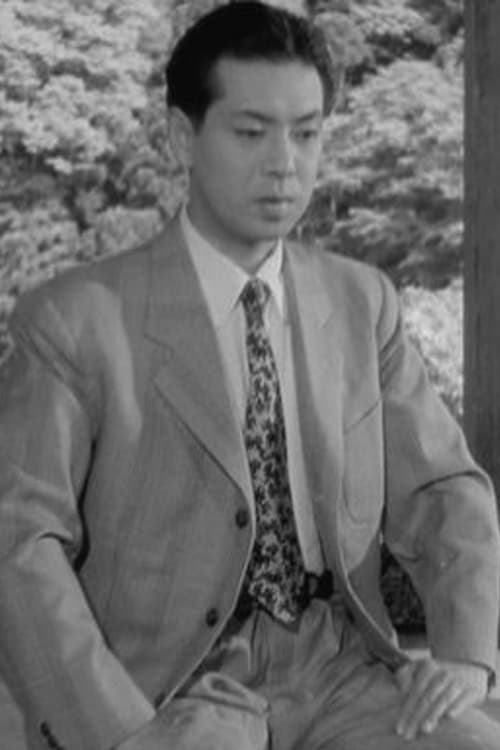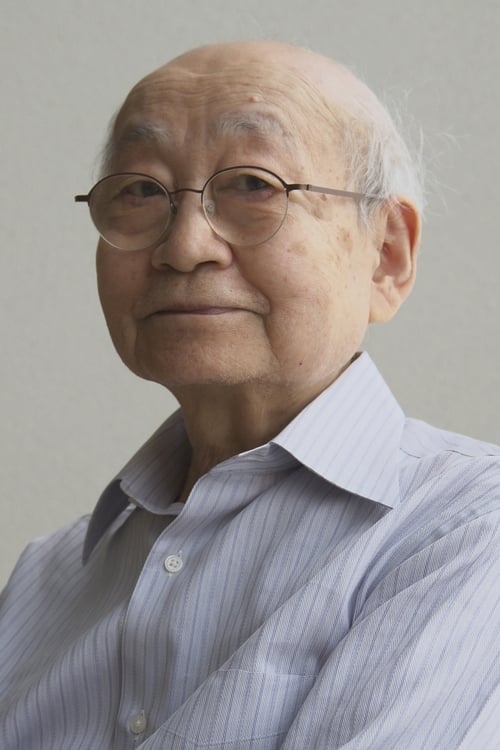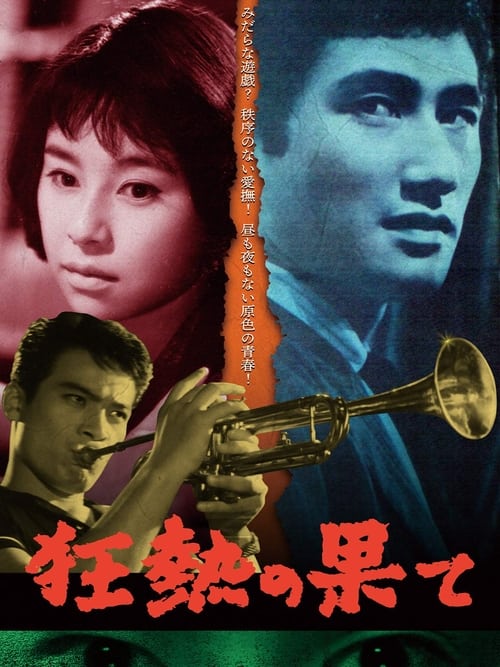
A leading postwar Japanese film critic and theorist who co-founded the seminal film magazine Eiga Hihyo (Film Criticism) in 1957, Eizo Yamagiwa made his directorial debut with this independent feature—long thought lost until a negative was recently discovered—about a group of idle bourgeois students known as the “Roppongi Tribe” (Roppongi zoku). Depicting the resignation and nihilism of the postwar generation in the years following the Anpo Treaty conflicts through a coming-of-age narrative, Yamagiwa offers sharp criticism of the prevalent characterizations of Japan's new youth offered by Nikkatsu's taiyozoku (“Sun Tribe”) films and the New Wave at large.
Community
Vote on scenes, quotes, and characters for The End of Love (1961).
The moment that still lives in your head.
Starters for The End of Love
Your take
Rate this title
Tap half or full stars · 0.5–10 scale
Be the first Cinemoood rating
Open communitySign in to save your rating.
None yet
See all