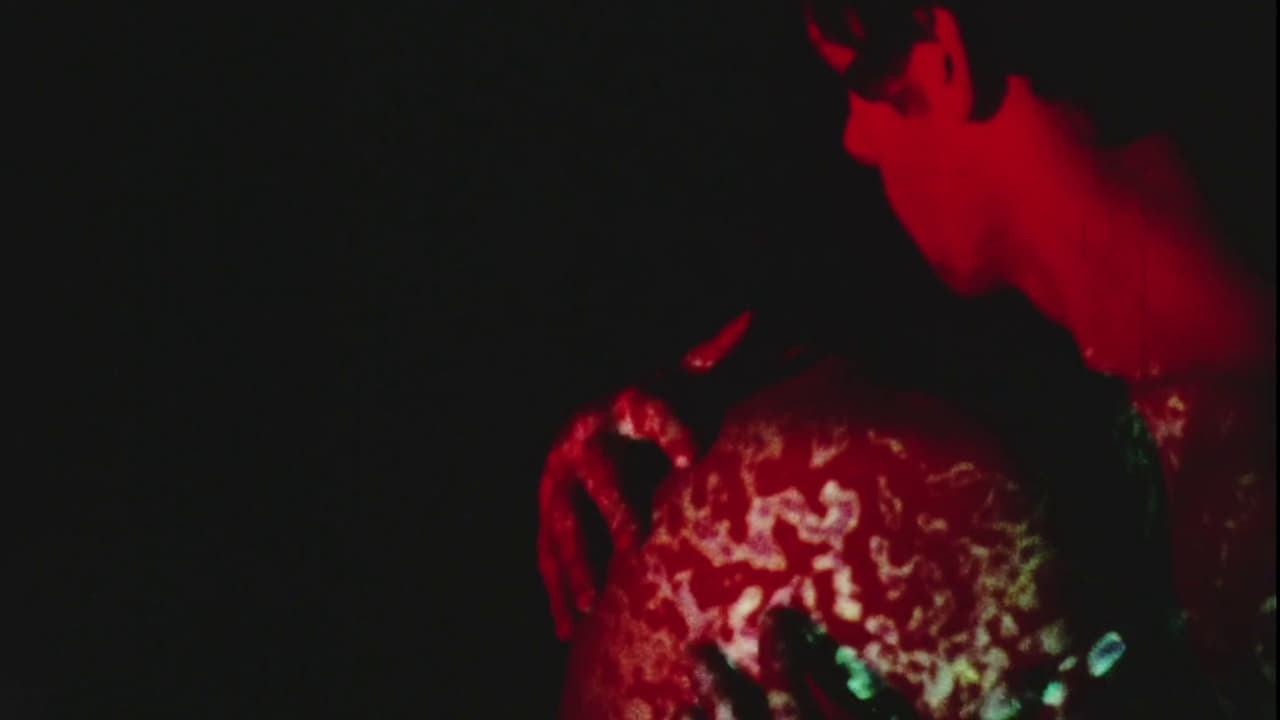
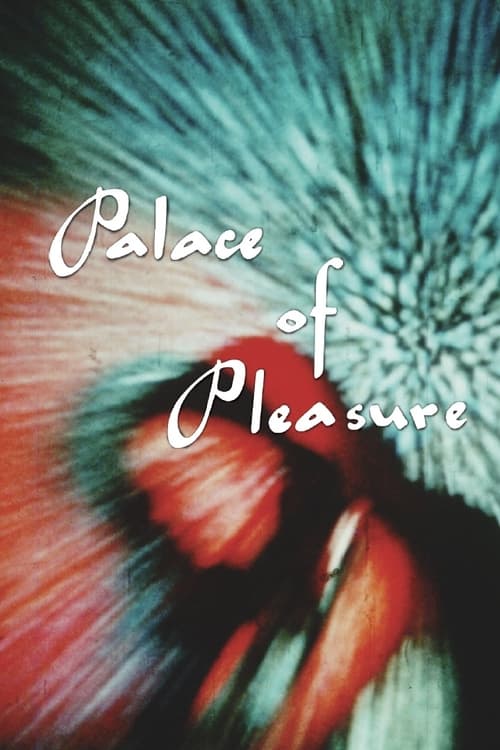
John Hofsess’s The Palace of Pleasure emerged from the psychedelic haze of 1960s postmodern art. It was a blistering work that combined arresting abstract imagery with the wounded expressions of a young couple, edited into a collage of mass culture imagery and album and book jackets, all of it framed as a therapeutic treatment. Addressed to a generation coming up in an era of protest and social change, where many found themselves increasingly burdened with hopelessness, paranoia, and neurosis, The Palace of Pleasure was offered as a cleansing ritual, a post-Freudian expelling of dammed-up energies that anticipated The Primal Scream. In this video, Stephen Broomer discusses Hofsess’s therapeutic ambitions, how the film was composed of Hofsess’s earlier films, and the sensual spell of the work, the way in which it commands us to enter into a universal fellowship of touch that circulates, from us to us, through us, to strain the boundaries between the self and the other.
Rank what matters in Palace of Pleasure (1967) — scenes, quotes, and characters from this title.
Who carries this title?
From this cast
Tap to nominate
Your take
Rate this title
Tap half or full stars · 0.5–10 scale
Be the first CineMood rating
Open communitySign in to save your rating.
None yet
See all
Patricia Murphy