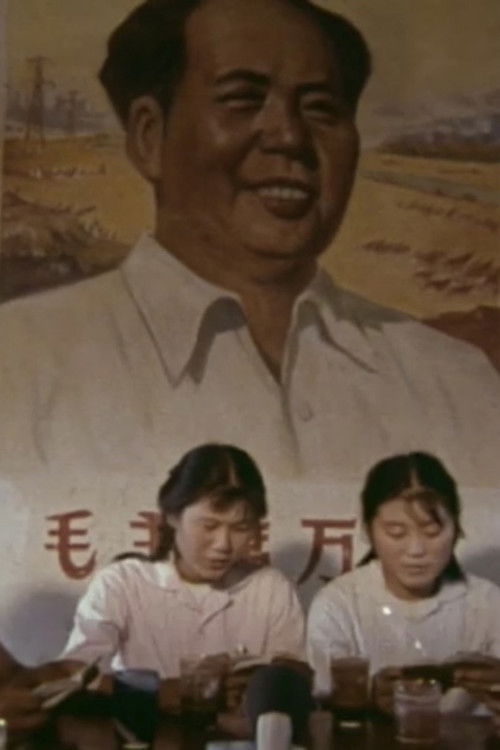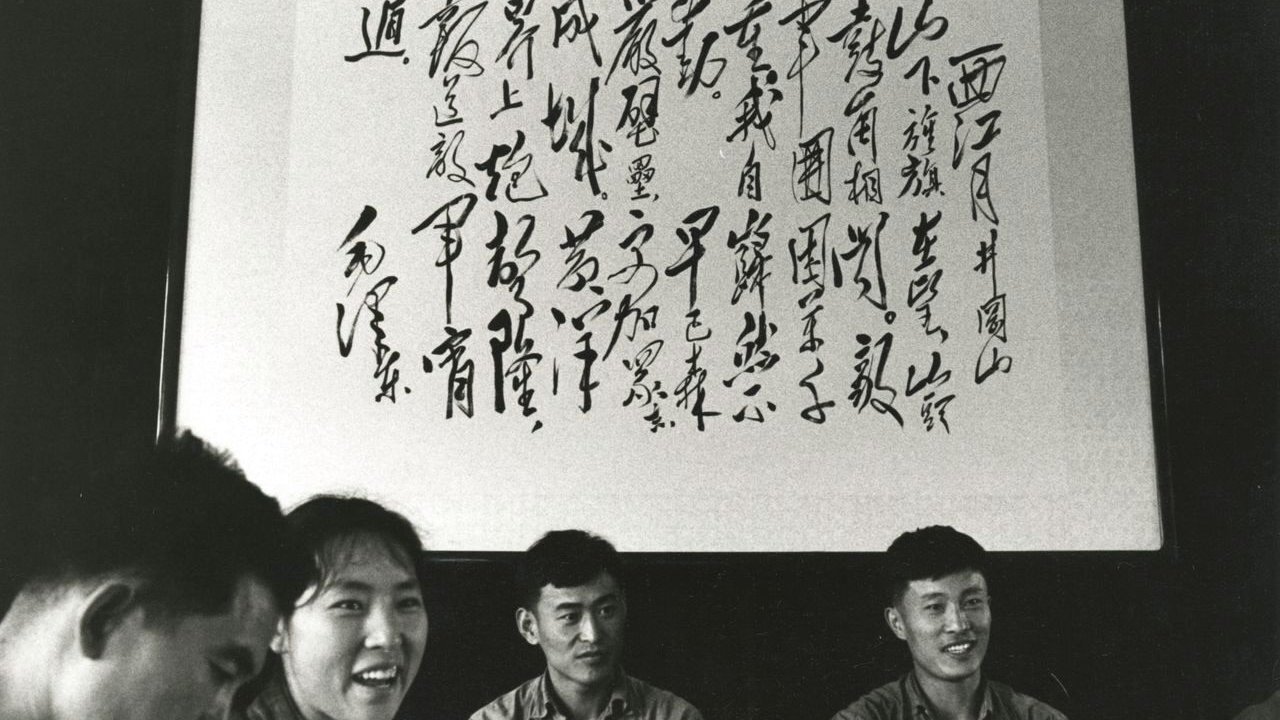
Mao Zedong was not only a revolutionary leader and thinker, he was also a poet. In poems written in the classic calligraphic tradition he expresses his experiences and visions. In this film, 8 of Mao's poems are sung, recited and interpreted: 'Changsha' (1925), 'Jinggang Mountains' (1928), 'The Long March' (1935), 'Snow' (1936), 'The People's Liberation Army Captures Nanjing' (1949), 'Swimming' (1956), 'Reply to Comrade Guo Moruo' (1961) and 'Reascending Jinggang Mountains' (1965). Through these poems we get a picture of the Chinese revolution from its first beginning in 1921 until the Cultural Revolution. The poems of Mao Zedong have been published in more than 57 million copies
Rank what matters in Mao: Seize the Day, Seize the Hour (1972) — scenes, quotes, and characters from this title.
Who carries this title?
Your take
Rate this title
Tap half or full stars · 0.5–10 scale
Be the first CineMood rating
Open communitySign in to save your rating.
None yet
See allLa brèche
2021